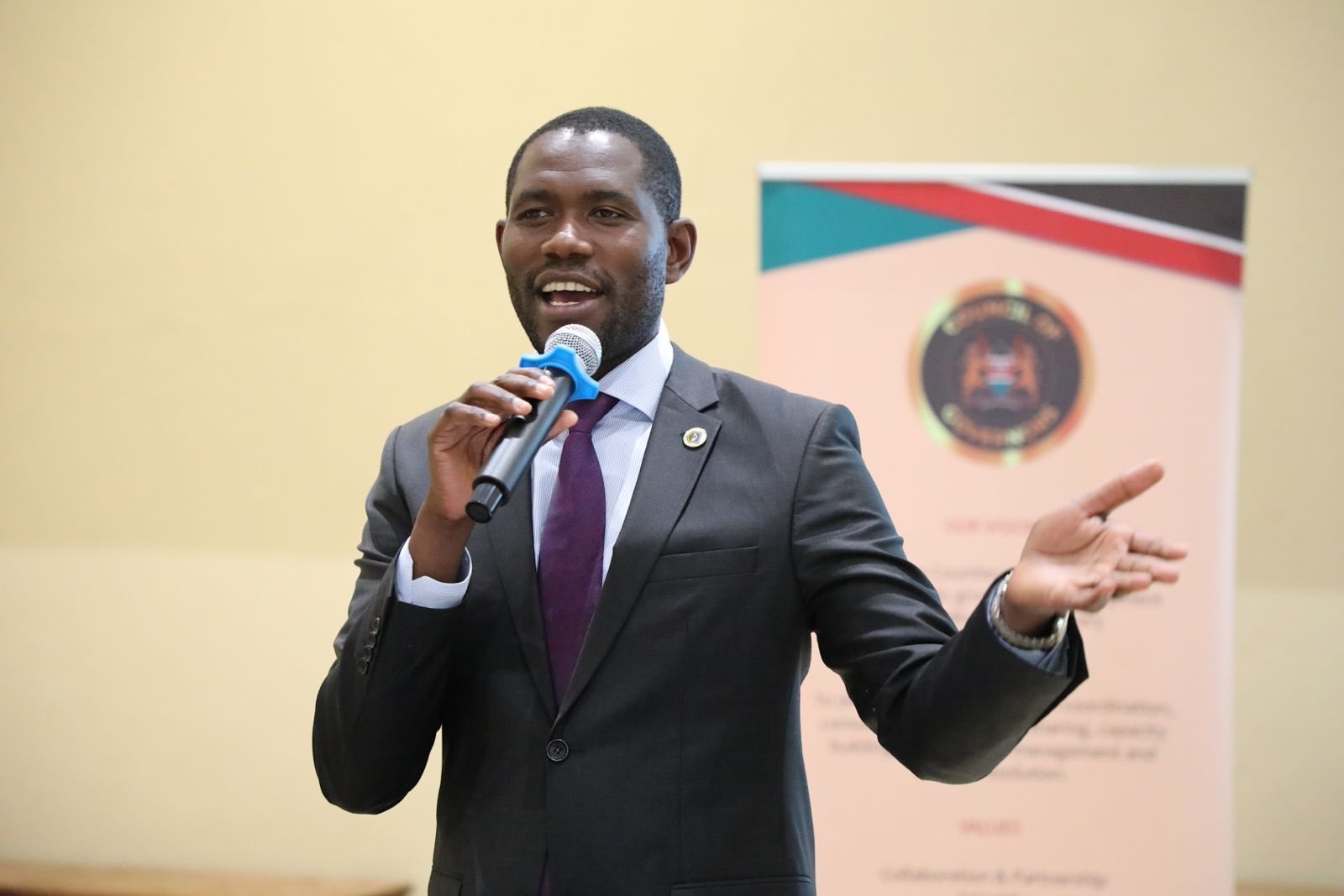
County health leaders from all 47 counties have been directed to fix long-standing system gaps in service delivery, with emphasis placed on accountability, better use of health data, and wider access to specialised care across the country.
Principal Secretary for Medical Services Dr. Ouma Oluga issued the call on Friday during the Quarterly Consultative and Review Forum held at Sawela Lodge in Naivasha, Nakuru County, Sawela Lodge. The meeting brought together County Chief Officers for Health from all 47 counties under the Council of Governors, alongside officials from the Ministry of Health and development partners.
He said the sector cannot keep relying on complaints about funding while deeper structural problems remain unresolved, adding that reforms must focus on how systems function and deliver results.
Dr. Oluga noted that weak accountability, slow decision-making, and delayed response in key areas continue to affect progress in the health sector even with improved reporting tools.
“Kenya’s health sector requires decisive, evidence-based action to address persistent challenges,” he said, adding that “gaps in decision-making, accountability, and timely response continue to undermine progress.”
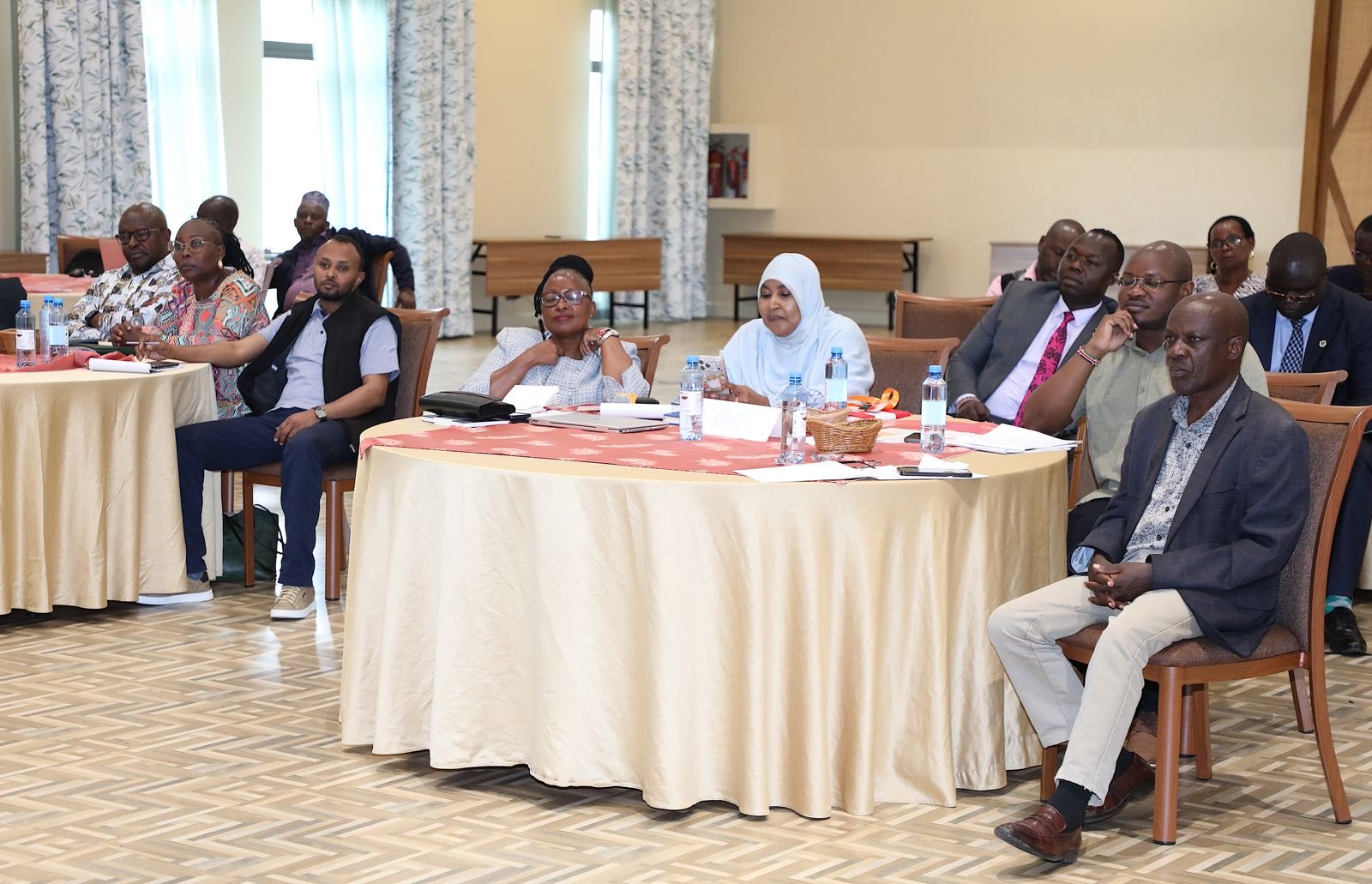 County Chief Officers for Health from all 47 counties during the Quarterly Consultative and Review Forum at Sawela Lodge, Nakuru County on Friday, April 17, 2026. PHOTO/MoH
He added that although counties now collect and report more health data, that information is not being fully converted into action that improves services on the ground.
“The sector is yet to effectively translate data into action,” he said, pointing to response as the missing link across financing, workforce management, medical supplies, and digital health systems.
PS Oluga urged county officials to improve how they identify and respond to health problems, especially in reproductive, maternal, and newborn health, where avoidable deaths remain a concern.
He said better planning and stronger resource allocation are needed to close these gaps and improve outcomes for mothers and newborns.
He also pointed to clinical documentation as a simple but important tool that can help improve decision-making and raise quality of care in health facilities.
The Principal Secretary called for more openness in service delivery through clearer breakdown of benefit packages, saying this would improve accountability and make county systems more efficient.
He further raised concern about specialised health services being mostly concentrated in urban areas, saying this limits access for people in rural parts of the country.
“Concentration of specialised services in urban centres limits access and contributes to avoidable deaths,” he noted, urging counties to make better use of existing facilities and expand services more evenly.
The PS also highlighted inefficiencies in hospital development, including facilities that are underused, and said counties should rethink spending priorities.
He stressed that priority should be placed on equipment, maintenance, and staffing instead of focusing mainly on building new facilities.
PS Oluga also raised concern over ongoing challenges in maternal and newborn health, as well as the rising burden of non-communicable diseases.
He said these challenges are linked to weak service quality and falling donor support, warning that the pressure on the health system is likely to grow if not addressed.
“These challenges are linked to systemic gaps in quality of care and declining donor support,” he said.
To address the situation, PS Oluga announced the rollout of the Maternal and Newborn Health Rapid Results Initiative (MNH RRI), set to begin in May 2026 under the Kenya Eliminating Maternal and Newborn Emergencies in Kenya, EWENE Acceleration Plan.
The six-month programme will target governance, financing, service delivery, and accountability systems, with the aim of reducing preventable maternal and newborn deaths across the country.
He also highlighted ongoing digitisation of the Maternal and Perinatal Death Surveillance and Response (MPDSR) system, which is expected to improve real-time reporting and speed up response in maternal and newborn cases.
The forum, led by the Council of Governors in partnership with the Ministry of Health, reaffirmed cooperation between national and county governments in strengthening health services across Kenya.





























Comments
Sign in with Google to comment, reply, and like comments.
Continue with Google